
Busting the 5 Biggest Myths About Direct Mail Marketing
Mark Hale ‐ July 30, 2026
Direct mail marketing has been around for a long time—and so have the misconceptions surrounding it.
Some businesses assume postcards are too expensive. Others expect a specific response rate and consider anything less a failure. Some believe direct mail is impossible to track, while others worry that a successful campaign will bring in more customers than they can handle.
Let’s clear up five of the most common myths about direct mail marketing.
Myth #1: Direct Mail Is Too Expensive
Direct mail is not automatically too expensive. It simply needs to fit within a realistic marketing budget and be sent to the right audience.
Instead of looking only at the total cost of printing, postage, and mailing, consider what one new customer is worth to your business. If a campaign costs $2,000 and generates several customers worth hundreds or thousands of dollars each, the campaign may be very profitable—even if only a small percentage of recipients respond.
You can also adjust the campaign to fit your budget by changing the mailing quantity, postcard size, frequency, or target audience. You do not have to mail to everyone at once. A smaller, well-targeted mailing can be more effective than a larger campaign sent to the wrong people.
The goal is not to find the cheapest advertising option. It is to invest in marketing that produces profitable customers.
Myth #2: Postage Is Too High to Make Direct Mail Marketing Worthwhile
Postage is an important part of the cost, but it should not be the only factor used to judge a campaign.
Direct mail gives you the ability to choose exactly who receives your message. You can target recipients by location, age, income, homeownership, property value, household characteristics, and many other factors. This helps reduce wasted advertising by placing your offer in front of the people most likely to need it.
There are also different mailing options available depending on your goals. Saturation mailing can be an affordable way to reach nearly every household within selected carrier routes. A more targeted mailing list may cost more per piece but can help you reach a very specific type of customer.
Postage is not simply a delivery fee. It is what puts your message directly into the hands of the audience you selected.
Myth #3: If I Don’t Get a 2% Response, the Campaign Failed
There is no universal response rate that determines whether a direct mail campaign succeeded or failed.
A 2% response rate might be excellent for one business and disappointing for another. It depends on the product or service being promoted, the value of each sale, the audience, the offer, and the total campaign cost.
For example, a roofing company, remodeling contractor or financial professional may only need a few new customers to make a campaign profitable. A restaurant or retail store may need a much larger number of responses because each transaction is worth less.
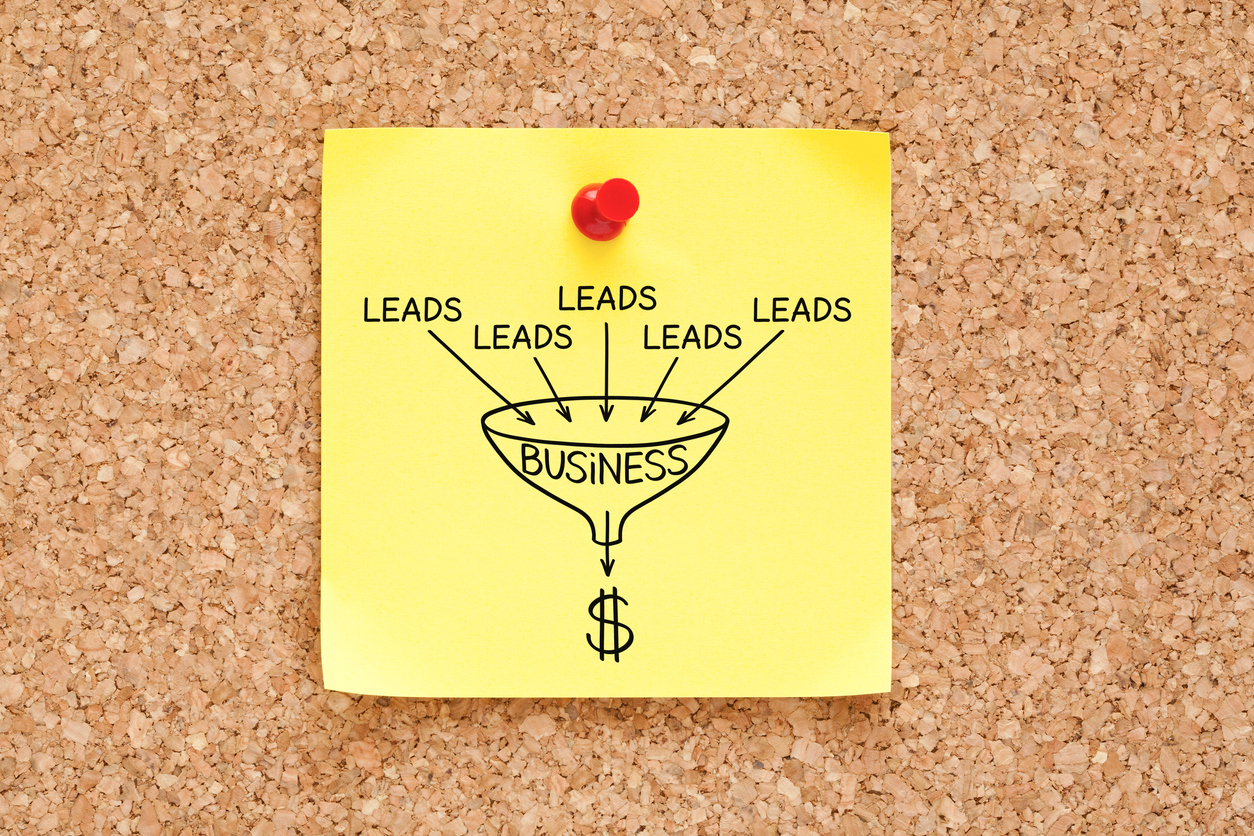
Instead of focusing only on the percentage of people who respond, calculate:
- How many leads did the campaign generate?
- How many leads became customers?
- What was the average value of each sale?
- How much revenue and profit came from the campaign?
- Did website visits, phone calls, or walk-in traffic increase?
The real measurement of success is not whether the campaign reached an arbitrary response rate. It is whether the campaign generated enough profitable business to justify the investment.
Myth #4: Direct Mail Is Too Difficult to Track
Direct mail marketing can be tracked in several ways, but the tracking process needs to be established before the campaign begins.
Start by training anyone who answers the phone, responds to emails, or works with customers to ask one simple question: “How did you hear about us?”
You can also include campaign-specific tracking tools, such as:
- A unique phone number
- A dedicated landing page
- A QR code
- A promotional code
- A coupon that must be presented
- A marketing code printed near the recipient’s address
- A form asking how the customer heard about the company
Website activity should also be reviewed during and after a mailing. Many people will receive a postcard and then search for the company online rather than immediately calling the phone number printed on it. An increase in direct website visits, branded Google searches, and online inquiries may all be influenced by the mailing.
Customers do not always remember which advertisement introduced them to a company. Someone may say they found you on Google even though your postcard was what prompted them to search for your name.
That is why it is important to look at the entire picture—not just the number of coupons returned.
Myth #5: What If Everyone Calls and We Can’t Handle the Business?
This may be the most optimistic fear in marketing.
The reality is that every recipient will not call at once. Some people will visit your website, save the postcard for later, scan the QR code, stop by your location, or simply remember your company when they need your service in the future.
However, it is still important to prepare for increased activity.
Before the campaign mails, make sure your team knows:
- What offer is being advertised
- How to answer common questions
- How to track each inquiry
- Who will follow up with new leads
- How quickly calls, emails and online forms should receive a response
A strong response is not a reason to avoid marketing. It is an opportunity to improve your processes, organize your team and grow your business.
Sending too little mail because you are worried about becoming busy can create the opposite problem: the campaign produces some activity, but not enough to eliminate slow periods or meaningfully increase sales.
A successful company does not stop promoting itself because more customers might respond. It prepares for the opportunity and develops a plan to serve as many of those customers as possible.






























Direct Mail Marketing Works Best as a Consistent Strategy
Direct mail is not a magic button, and one postcard mailing should not be expected to transform a business overnight.
People are more likely to remember a company when they see its message consistently. A prospect may receive your postcard today, visit your website next week and contact you several months later when the need arises.
That is why repetition matters.
Direct mail marketing can also work alongside Google advertising, social media, email and other marketing channels. A postcard can introduce your company, while your digital presence gives the recipient additional opportunities to learn about your services and take action.
The most effective campaigns usually have five things in common:
- A clearly defined audience
- A strong and relevant offer
- A professionally designed mail piece
- A consistent mailing schedule
- A reliable tracking and follow-up system
Do not make marketing decisions based on myths or assumptions. Build a campaign around your audience, track the results, and use the information you collect to improve each future mailing.
When direct mail is properly targeted, consistently delivered and accurately tracked, it can be a powerful tool for generating leads, increasing brand recognition and growing your business.




High Quality
Printing And Design
Our Services
- Postcard Printing
- Business Brochures
- Booklet Printing
- Flyers
- Signs and Banners
- Customer Thank You Cards
- Websites
- Custom Pocket Folders
Join 1,000s of
happy customers