

7 Ways to Make Your Marketing Work Harder
Mark Hale ‐ September 3, 2026
Direct mail works a whole lot better when you stop treating it like a shot in the dark.
The campaigns that consistently get calls, leads, and sales usually aren’t doing anything wildly complicated. They’re just getting the basics right: reaching the right people, giving them a reason to care, and making it really easy to respond.
There are a handful of principles that come up over and over again in successful direct mail campaigns. Here are seven of the biggest ones.
1. Sell Something People Already Want or Need
One of the hardest things you can try to do in marketing is convince someone they need something they’ve never wanted in the first place.
Direct mail is much easier when you start with people who already have a reason to be interested.
Maybe they just bought a house and need landscaping. Maybe their roof is getting older. Maybe they’re turning 65 and need help figuring out Medicare. Maybe they own a business that already uses the type of service you provide.
That’s where good targeting comes in.
Instead of asking, “How do I convince people they need this?” start by asking: “Who already has a reason to want what I’m selling?”
Get that part right, and the rest of your campaign gets a whole lot easier.
2. Sell the Solution, Not the Product
Most people aren’t nearly as interested in your product as you are.
What they care about is what that product or service will do for them.
There’s an old marketing example about a quarter-inch drill bit. Nobody really wakes up excited because they get to own a drill bit. They want the quarter-inch hole.
The drill bit is just how they get there.
The same thinking applies to almost anything you sell.
A homeowner doesn’t necessarily want a new HVAC system. They want their house to stay cool without worrying about the AC dying in July.
A business owner doesn’t necessarily want 5,000 postcards. They want more customers walking through the door.
So when you’re coming up with an idea and content for your mailer, spend less time talking about what you sell and more time talking about what your customer gets from it.
3. Get Their Attention Emotionally, Then Back It Up With Logic
We all like to think we make decisions based entirely on facts.
We usually don’t.
Even in B2B marketing, you’re still selling to a person. And people respond to things like frustration, fear, convenience, excitement, relief, curiosity, and the possibility of making their lives a little easier.
That doesn’t mean your mailer needs to be overly dramatic. It just needs to connect with something your customer actually cares about.
Then, once you have their attention, give them the logical reasons to feel comfortable taking the next step.
Testimonials. Experience. Pricing. Guarantees. Statistics. Credentials. Whatever makes sense for your business.
A simple way to think about it: Emotion gets their attention. Logic gives them a reason to say yes.
4. Give People a Reason to Respond
Sending out a postcard that basically says, “Hey, we exist!” usually isn’t enough.
Give people something to do.
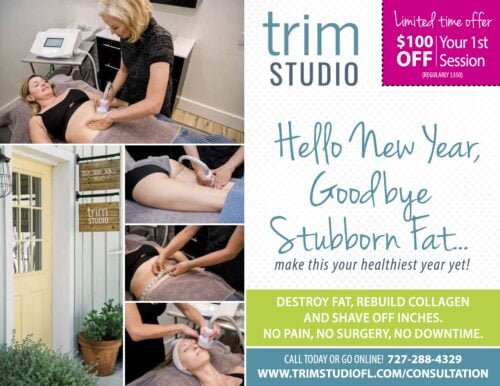
That could be a discount, free consultation, free estimate, bonus, limited-time special, free report, complimentary inspection, or another offer that makes sense for your business.
A few other things can make a surprisingly big difference:
- Give the offer a deadline when possible.
- Focus on benefits instead of cramming the piece with features.
- Put your phone number, website, QR code, or next step somewhere obvious.
- Repeat your call to action if the piece is large enough.
- Keep the main message simple enough that someone can understand it quickly.
- Choose a mail format that fits what you’re selling instead of automatically using the same format every time.
People are busy. They’re probably looking at your mail while standing over the trash can.
Don’t make them work to figure out what you’re offering or what they’re supposed to do next.
5. Don’t Let Pretty Design Get in the Way of the Message
Good design matters. But good design and fancy design are not always the same thing.
A beautiful mailer with gorgeous photography, trendy fonts, and ten different design elements can still completely flop if nobody understands what it’s trying to say.
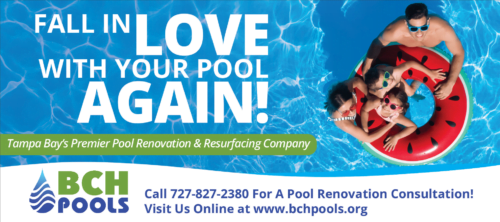
Sometimes a simple postcard with a strong headline, a good offer, and a giant phone number will outperform the prettier piece.
Your design should help people understand the message, not compete with it.
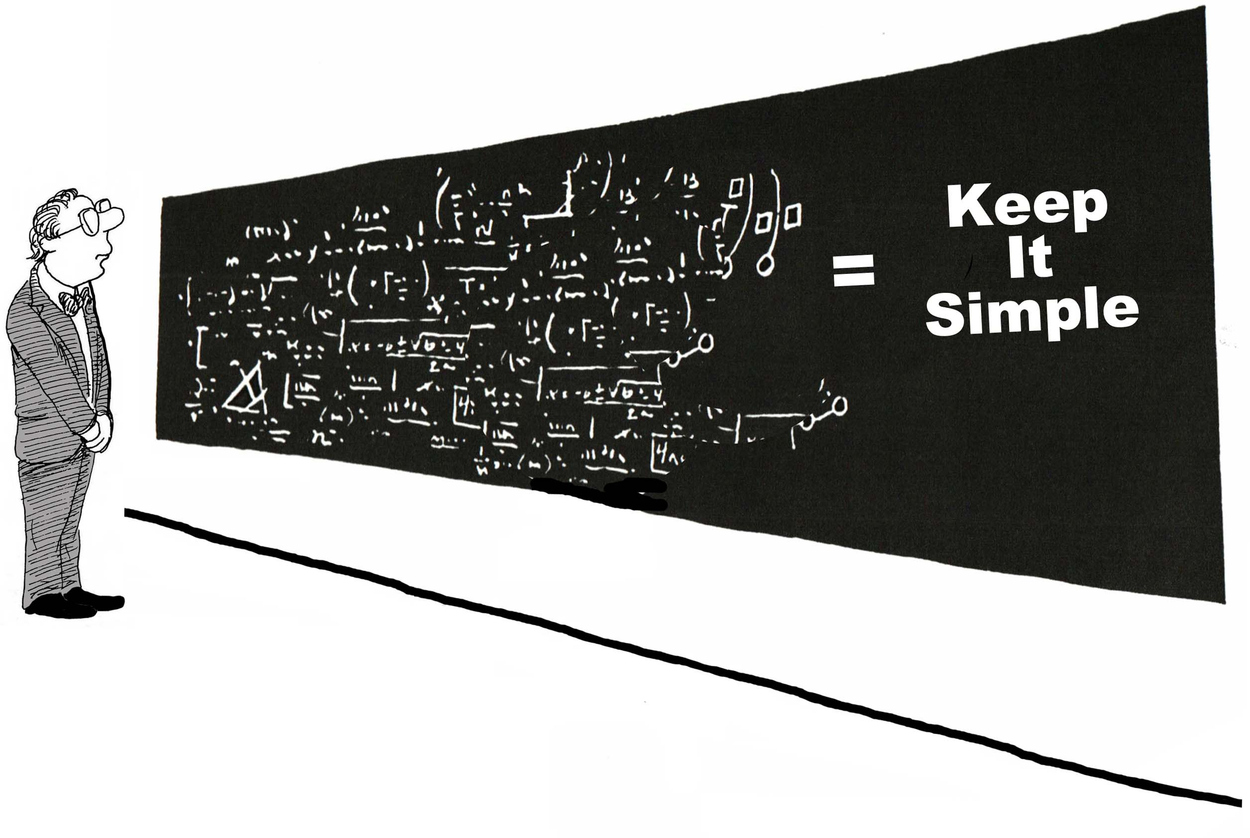
Before worrying about whether the piece looks impressive, ask: Can someone glance at this for five seconds and understand what I’m offering?
If the answer is no, simplify it. Direct mail is ultimately a sales tool, not an art competition.
6. Make Sure Your Mail Piece Is Actually Asking for a Response
There’s a difference between sending mail and doing direct mail marketing.
A real direct-response piece usually needs three things:
- A clear offer
- Enough information for someone to understand why they should care
- An obvious way to respond
Miss one of those and you may end up spending a lot of money sending out something that looks nice but doesn’t actually generate anything.
This is especially common with postcards that have a logo, a few services, a website, and not much else. That’s technically mail. But it isn’t necessarily marketing.
Think of every piece you send as part of a small sales conversation. What are you offering? Why should they care? How does your product or service benefit them? And what should they do next?






























7. You Don’t Always Have to Make the Sale With the First Mailer
Sometimes the goal of your direct mail piece shouldn’t be to close the entire sale.
There are basically two ways to approach it.
Single-step:
Someone receives your offer and buys right away.
Two-step:
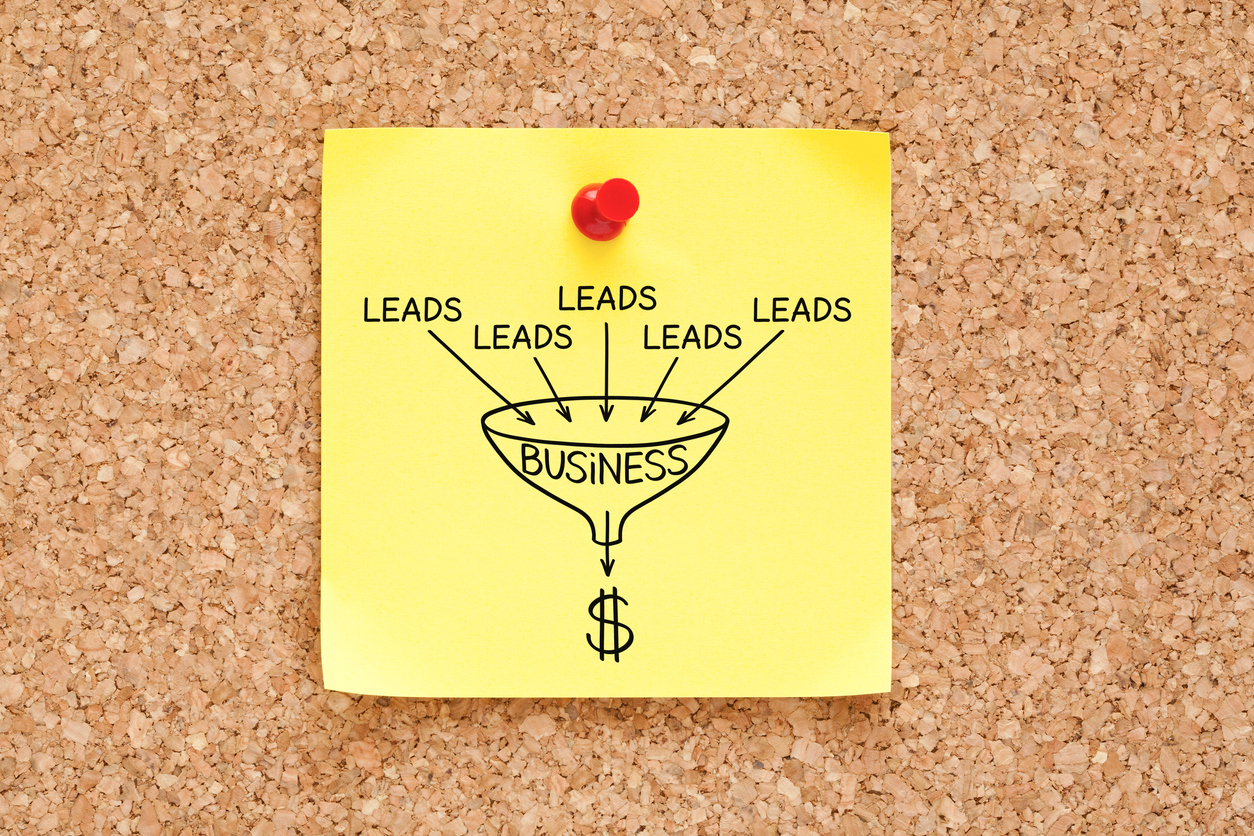
Someone receives your offer, raises their hand by calling, filling out a form, requesting information, or visiting a landing page — and then your sales process takes over.
For inexpensive or simple products, asking for the sale right away can work perfectly well.
But if you sell something that is a bigger ticket, complicated, unfamiliar, or that requires a lot of trust, asking for a smaller first step may work much better.
Instead of:
“Buy this $20,000 service.”
Your mailer might simply ask:
“Schedule your free consultation.”
That’s a much easier decision.
The first step creates the conversation. Your follow-up helps create the customer.
Good Direct Mail Really Comes Down to the Basics
Direct mail is still an incredibly useful way to reach very specific groups of people, especially when you have a good mailing list and a strong reason for contacting them.
But printing more postcards doesn’t automatically mean getting more leads.
Your audience matters. Your offer matters. Your message matters. And your follow-up definitely matters.
It’s also important to know what a new customer is actually worth to your business. Once you understand that number, it becomes much easier to decide how much you can reasonably spend to acquire one.
Done strategically, direct mail can become a very reliable growth channel instead of just another marketing expense.
And if you’re not sure who to mail to, what kind of offer to use, or how to structure the campaign, working with someone who does direct mail every day can help you avoid a lot of expensive trial and error.



High Quality
Printing And Design
Our Services
- Postcard Printing
- Business Brochures
- Booklet Printing
- Flyers
- Signs and Banners
- Customer Thank You Cards
- Websites
- Custom Pocket Folders
Join 1,000s of
happy customers